
Foliar support when irrigation is limited
With limited or no irrigation overcoming the effects of prolonged dry periods comes down to biostimulant and nutritional support – delivered through foliar application.
Why Seaweed Extracts Are Used in Crop Stress Programmes
From coastal crop production to modern biostimulants
Seaweed has been used for centuries in costal crop production and in recent years, the distilling down the active biostimulants has meant that the benefits provided by seaweed extract can be used far from shore.
However, “seaweed” is a very broad category and about as descriptive as the noun “vegetable” or “animal”. One widely used seaweed information source lists roughly 11,500 species of seaweeds including more than 2,000 green, about 2,000 brown and over 7,500 red seaweeds. That’s a lot of seaweeds!
What does seaweed extract do and how?
Why Ascophyllum nodosum is used for stress reduction
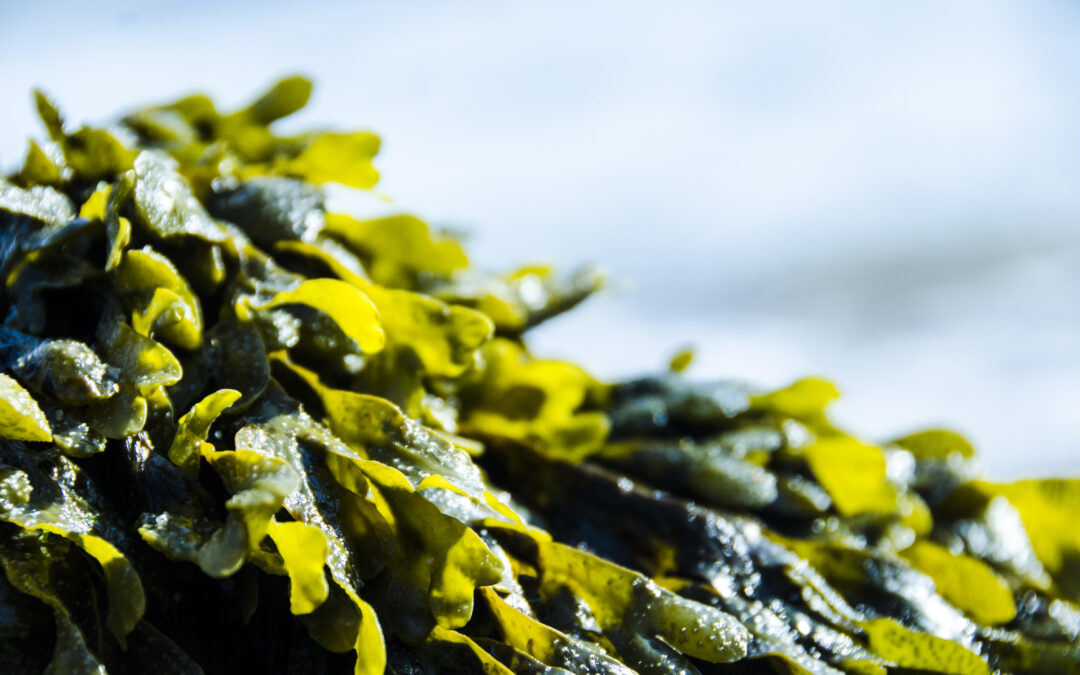
The most effective and widely used seaweed for stress reduction is Ascophyllum nodosum (Knotted Wrack). Most of us have seen it when visiting a rocky beach around the coast of Britain or Ireland.
“Asco” is unusually well suited to stress-biostimulant development. It grows in the intertidal zone, where it naturally experiences cycles of desiccation, rehydration, salinity fluctuation, temperature swings and UV exposure. Hot, dry, cold, salty, wet. For these reasons it has evolved to contain useful stress-related chemistry: complex polysaccharides, phenolics, betaines, osmolytes, hormone-like compounds and signalling molecules.
Explore SeaSpray cold-pressed seaweed extract
Moving beyond ‘Muck & Mystery’
Unfortunately, biostimulants like Asco have developed an undeserved reputation in some circles as “Muck & Mystery”, which we will come on to.
Seaweed extracts and water-use efficiency
Many drought-focused studies have found that Asco extract-treated plants maintained stronger stomatal control and relatively higher water-use efficiency under drought stress; that Asco extracts can improve drought-stress tolerance, especially if combined with additional stress-reducing amino acids. A European Biostimulants Industry Council white paper notes that newer research has moved away from a simplistic “seaweed hormones directly drive growth” view, towards a more complex mode of action involving signalling and changes in plant metabolism.
Why seaweed extraction method matters
However – and this is where we come on to the Muck & Mystery – different commercial extracts do not behave identically. Some products have been hot-alkaline-extracted or even kiln-dried – cheaper to produce and transport but significantly degraded compounds.
Why the right amino acids matter
And “amino acids” does not mean any old combination of amino acids. There are 20 or more plant amino acids but only two or three contribute to drought/heat stress relief. A general amino acid extract will have a “random” mix of all these amino acids, many of which may counteract positive benefits of others. For example, Methionine is linked to ethylene metabolism and can be involved in senescence, stress signalling and growth inhibition; Tryptophan can be useful in the early stages of crop development but under drought conditions can distort growth. And so on.
How seaweed-based biostimulants support potatoes
Seaweed extracts, particularly in combination with the right amino acids, offer a practical way to support potatoes and other crops through prolonged dry periods, particularly where irrigation is limited or unavailable. By stimulating the plant’s natural stress-response systems, they help protect cells from oxidative damage, improve water retention, regulate transpiration and encourage stronger root development.
Using seaweed extracts in a foliar programme
When applied as part of a well-timed foliar programme, seaweed-based biostimulants can help maintain crop function, nutrient uptake and resilience during periods of water stress, giving the crop a better chance of protecting yield and quality.
How water stress affects potato yield and quality
Water stress places significant pressure on potato crops, affecting everything from photosynthesis and nutrient uptake to tuber bulking and final yield. Seaweed extracts work by supporting the plant from within, helping it manage the physiological effects of drought rather than simply masking the symptoms. Through antioxidant defence, osmotic adjustment, improved rooting, stomatal regulation and enhanced nutrient uptake, seaweed-based biostimulants provide valuable support during challenging growing conditions.
Building crop resilience during prolonged dry spells
For growers facing increasingly unpredictable weather and prolonged dry spells, foliar-applied seaweed extracts can form an important part of a wider stress-management strategy, helping potato crops stay active, efficient and better equipped to cope when moisture becomes limiting.