
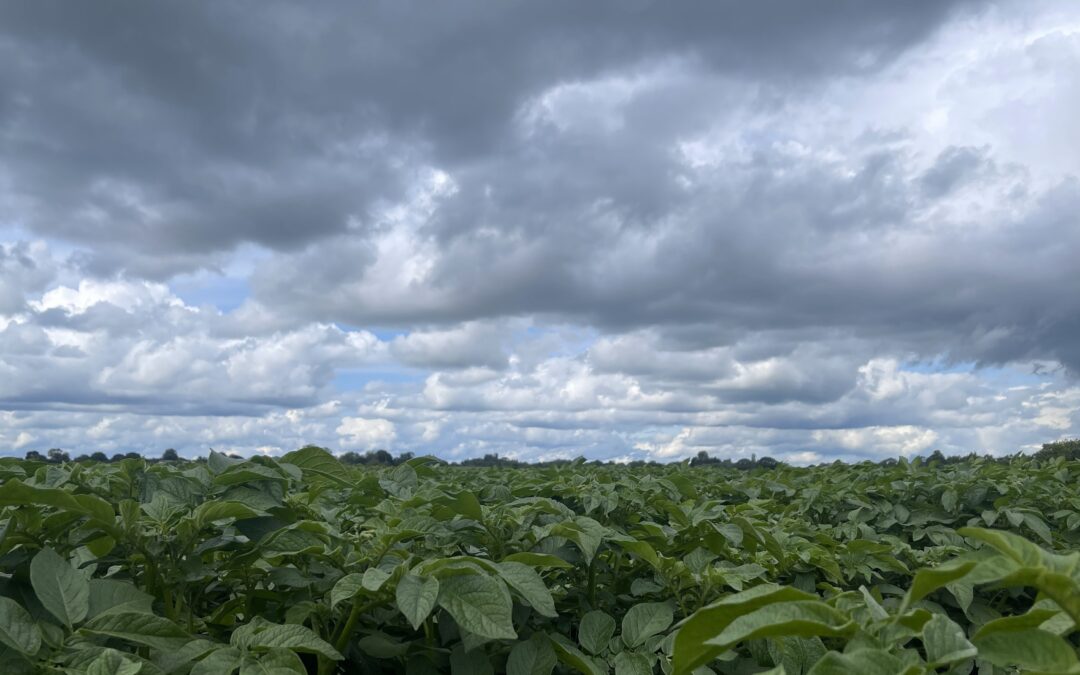
Foliar Application – Come Rain or Shine
Weather has always been one of the biggest influences on crop nutrition. Even the best-planned fertiliser programme can be challenged by changing conditions in the field. Dry soils can restrict nutrient movement to the root, cold conditions can slow uptake and prolonged wet weather can interfere with application timing or increase the risk of nutrient loss.
That is why foliar nutrition continues to attract so much interest. It offers growers a practical way to maintain flexibility in the face of unpredictable conditions and provides another route to the crop when the soil is no longer the most reliable route.
When dry conditions restrict root uptake
In dry weather, nutrient availability is not always the issue — movement is. Nutrients may be present in the soil but without sufficient moisture they are less able to move into the root zone in the quantities needed to sustain crop demand. At the same time, root activity may be reduced by stress, limiting uptake further.
Foliar application helps address this by placing nutrients directly onto the crop canopy. That does not make soil nutrition irrelevant but it can provide useful support when the root system is under pressure and the crop still needs to keep moving.
Check crop nutrient status with leaf tissue analysis
When wet weather creates uncertainty
Wet conditions bring a different set of challenges. Excess rainfall can delay top-dressing opportunities, reduce field access and increase concerns around the loss of soil-applied nutrients. Even where nutrition has already been applied, growers may be left wondering how much remains available to the crop.
This is where foliar application can offer reassurance. Smaller, targeted applications can help maintain nutrient supply without relying entirely on large soil dressings at vulnerable timings. In that sense, foliar feeding gives the grower more control at a time when the weather is taking some of it away.
Build flexibility into your OptiYield nutrition programme
Foliar application offers flexibility, not invincibility
Of course, “come rain or shine” is slightly flippant and it does not mean foliar applications can simply be made regardless of conditions. As with any spray, timing still matters. Rainfall soon after application may reduce the benefit, although some products may become rainfast within 30 minutes. While high temperatures or poor application conditions can limit uptake or affect crop safety.
The value of foliar nutrition lies not in making weather irrelevant but in giving growers a more adaptable option within a variable season. It creates room to respond, adjust and support the crop more precisely when conditions are less than ideal.
A practical tool for an unpredictable season
In modern agronomy, flexibility is becoming just as important as total nutrient application. Growers need options that help them respond to what is happening in the field rather than simply follow a rigid plan set months earlier.
That is where foliar application fits so well. In dry conditions it can help support nutrient supply when root uptake is limited. In wet conditions it can reduce reliance on large, potentially inefficient soil applications. Across the season as a whole, it adds responsiveness to the nutrition programme and helps keep nutrient delivery aligned with crop need.
Come rain or shine, foliar application is not about replacing every other approach. It is about giving growers a more precise and resilient way to manage nutrition in the real world.