
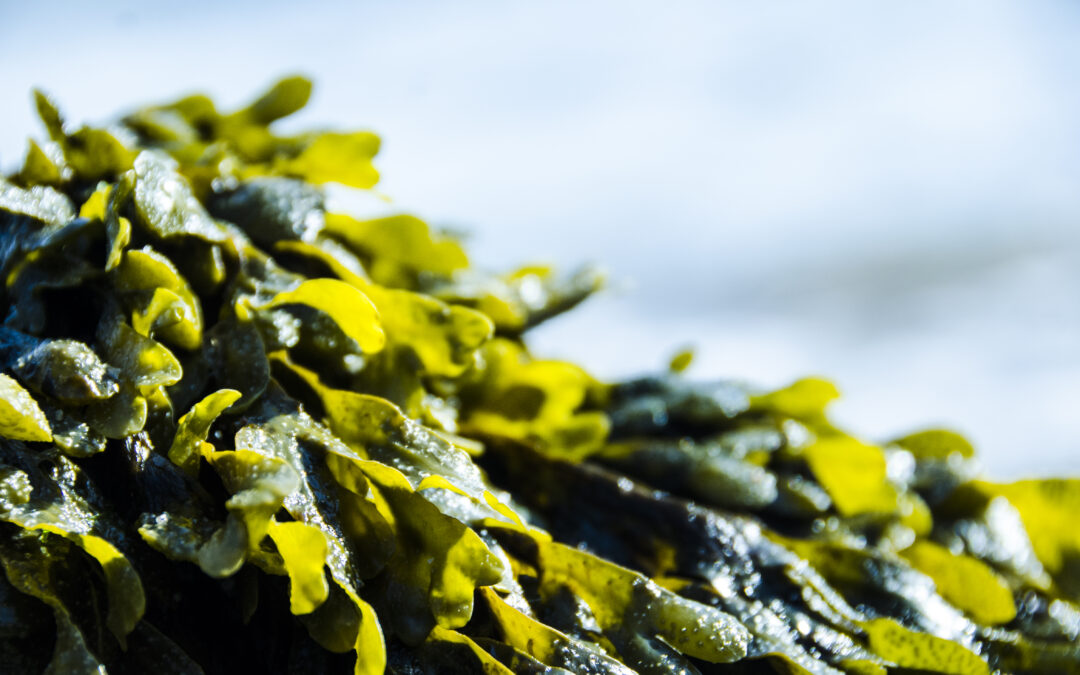
How seaweed extract is made
Seaweed extract is produced by one of two industrial processes, the extract containing all the ‘goodies’ is obtained by either a heat/chemical processing or through cold-pressing.
Cold-pressed vs heat extracted seaweed extract
The table below illustrates a comparison of the two methods:
| Feature | Cold-Pressed | Alkaline/Heat Extracted |
| Bioactive content | High (well preserved) | Often degraded |
| Processing | Gentle (mechanical) | Harsh (chemical or thermal) |
| Crop response | Stronger, more consistent | Variable |
| Environmental Impact | Low | High |
Explore SeaSpray cold-pressed seaweed extract
Why extraction method affects seaweed extract quality
The method of extraction – specifically, whether it’s cold-pressed or heat or chemically processed, can have a big impact on the effectiveness of the product. Heat and chemical extraction by their very nature introduce temperature extremes and chemicals to the seaweed, whereas cold pressing typically involves immersion in cold water and the application of pressure and filtration of the subsequent liquid.
Benefits of cold-pressed seaweed extract
Cold-pressed seaweed extract is beneficial because it ensures that the extract has not been denatured during the manufacturing process. The benefits of this are that the:
Bioactive compounds are preserved
Cold-pressing is a mechanical method that avoids high temperatures and chemical solvents. This gentle process retains critical bioactive compounds, including:
- Natural plant hormones (auxins, cytokinins, gibberellins)
- Amino acids
- Polysaccharides
- Antioxidants and vitamins
These compounds are essential for root development, tuber initiation, and stress tolerance, especially under challenging conditions like heat or drought.
Compounds are more natural & consistent
Cold-pressed extracts remain closer to the seaweed’s natural composition, resulting in more consistent biological activity across batches. This means:
- Better predictability in field performance
- More reliable stimulation of plant physiological response
Better compatibility with tank mixes
Cold-pressed seaweed products tend to be more stable and tank-mix friendly, allowing growers to:
- Combine them with foliar nutrients, micronutrients or other biostimulants
- Apply them at key crop stages without worry of phytotoxicity or interaction issues
Lower-impact seaweed extract manufacturing
Cold-pressed manufacturing is a more environmentally friendly process as it avoids harsh chemicals and requires less energy and therefore has a lower carbon footprint. Also as mentioned previously, the extractant is of a higher quality and therefore safer for soil microbes and beneficial organisms.
Enhances stress tolerance
Seaweed extracts are known to:
- Improve drought and heat resistance by boosting the plant’s antioxidant defences
- Contains osmoprotectants (like betaines and mannitol) that help maintain cell hydration
- Stimulates production of heat-shock proteins and ABA (abscisic acid), enhancing plant resilience
Build seaweed biostimulants into your OptiYield programme
Promotes root and shoot growth
Seaweed extracts (especially those rich in auxins, cytokinins, and gibberellins) enhance:
- Root development through the growth of deeper, more extensive root systems that improve water and nutrient uptake
- Shoot growth by stimulating growing points for more vigorous vegetative growth, which can support higher yields
Improves nutrient uptake and efficiency
Seaweeds contain chelating agents and natural hormones that are beneficial because they:
- Improve nutrient absorption (especially micronutrients like Fe, Zn, and Mn)
- Boost metabolic activity and photosynthesis
Increases tuber yield and quality
The benefits of seaweed extract extend to enhancing:
- Tuber initiation and bulking
- Uniformity of tuber size
- Skin finish and shelf life, reducing physiological disorders (like cracking or greening)
Supports Plant Immunity
Seaweed extracts contain compounds like laminarins and fucoidans that:
- Trigger plant defence responses (systemic acquired resistance)
- Reduce incidence of fungal and bacterial infections
Final Thoughts: Smart Inputs for Smart Farming
When aiming for higher dry matter, stronger tuber set, or greater resilience in your potato crop, investing in a cold-pressed seaweed extract can make a real difference.
It is a small switch in formulation, but SeaSpray 50 can deliver bigger returns in field performance and crop quality.